 GENOTT LTD Editorial Team
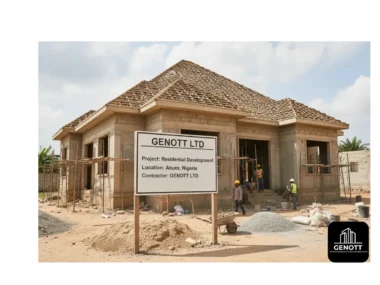
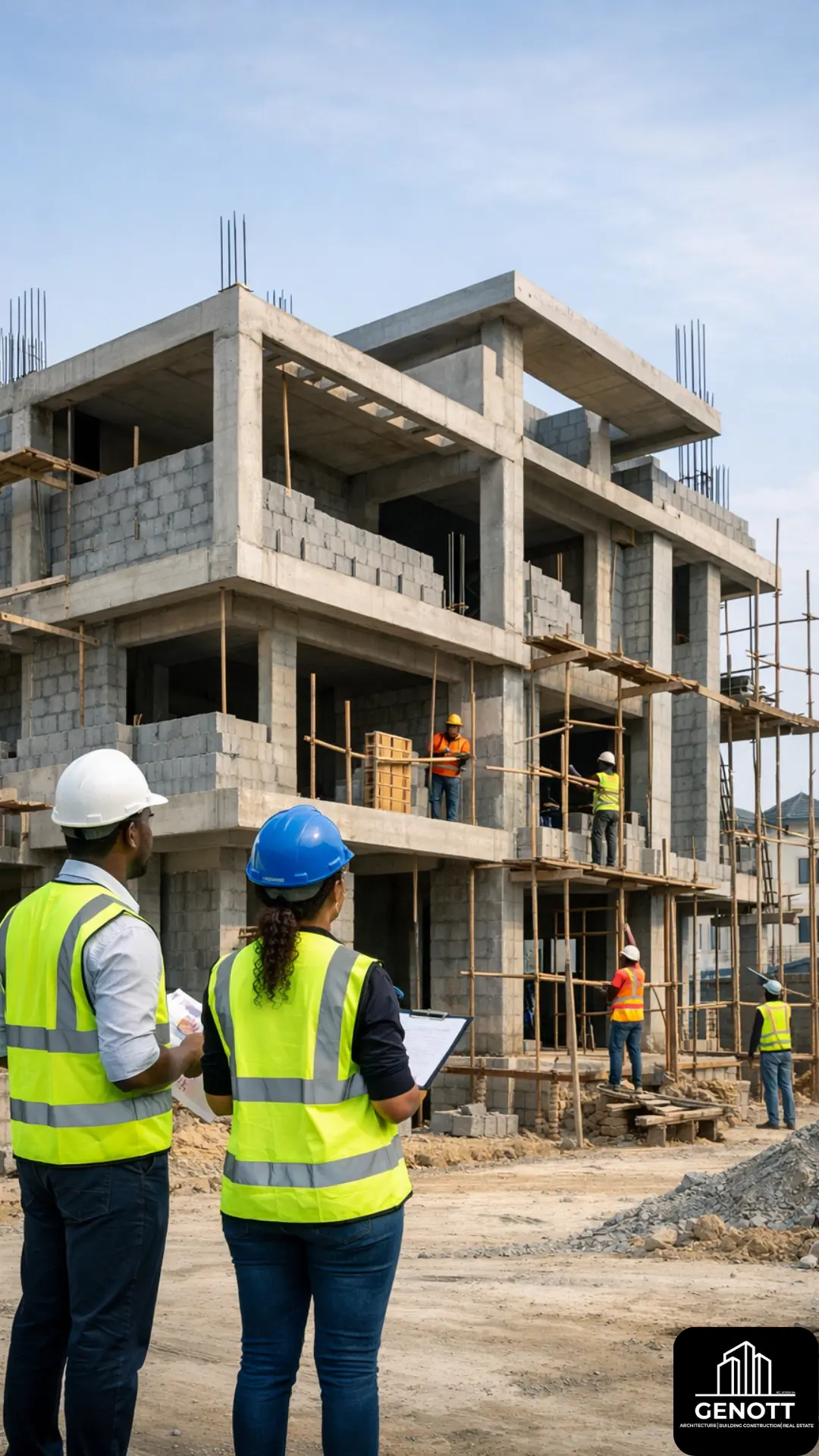
Building a house in Nigeria is both an exciting milestone and one of the most complex projects many individuals undertake. From buying land in rapidly developing areas of Abuja or Lagos to navigating approval processes and managing rising building materials cost Nigeria faces today, the journey requires strategic planning and expert knowledge. Unfortunately, many people start construction without understanding the full house construction process Nigeria demands, leading to stalled projects, legal complications, or budget overruns.
This ultimate guide simplifies the entire process of building a house in Nigeria — from land acquisition and design to construction stages and final finishing. Whether you are a first-time builder, diaspora investor, or property developer, understanding the Nigerian house construction checklist and construction timeline Nigeria requires will help you avoid costly mistakes. Drawing on industry experience and practical insights, this pillar guide provides a structured roadmap covering approvals, budgeting strategies, professional roles, risk management, and future trends shaping residential development across Nigeria.
QUICK SUMMARY TABLE
| Stage | Key Insight | Notes |
|---|---|---|
| Land Purchase | Verify title documents | Avoid legal disputes |
| Design & Planning | Professional architectural drawings | Saves long-term costs |
| Approvals | Mandatory government permits | State-specific processes |
| Construction | Foundation to roofing | Quality supervision critical |
| Finishing | Electrical, plumbing, aesthetics | Budget carefully |
| Completion | Inspection & occupancy | Legal compliance required |
Overview: Why Building a House in Nigeria Requires Strategic Planning
The Nigerian real estate landscape continues to grow due to population expansion, urban migration, and rising investment interest. However, building a house in Nigeria involves challenges unique to the local environment:
-
Fluctuating construction material prices.
-
Regional soil variations influencing foundation types.
-
Bureaucratic approval systems differing between Lagos, Abuja, Enugu and other states.
-
Labour quality and supervision issues.
Unlike some international markets, Nigerian builders must actively manage decisions to ensure successful project delivery.
Detailed Step-by-Step Breakdown (Land to Completion)
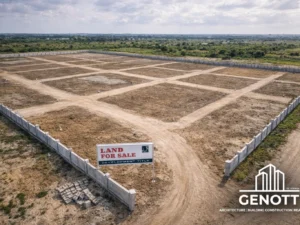
1. Land Purchase and Verification
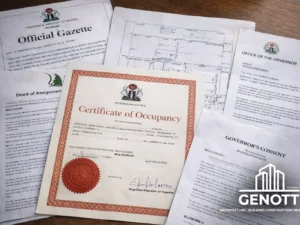
Land acquisition is the foundation of every successful project. Verify:
-
Gazette or Governor’s Consent
-
Survey plan authenticity
-
Encumbrances or government acquisition issues
Professional legal checks prevent disputes with landowners or local community claims.
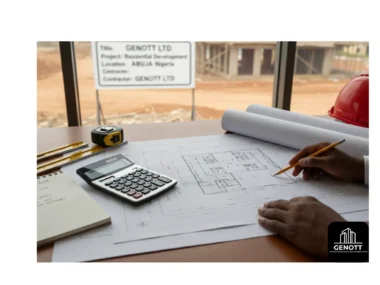
2. Architectural Design and Planning
A licensed architect develops:
-
Structural feasibility.
-
Climate-responsive design.
Nigeria’s hot climate requires:
-
Natural ventilation.
-
Sun shading.
-
Energy-efficient orientation.
3. Building Plan Approval Process Nigeria
Approval requirements vary:
-
Abuja Development Control Department.
-
Lagos State Physical Planning Permit Authority.
Documents include:
-
Architectural drawings.
-
Structural engineering drawings.
-
Environmental compliance.
Building without approval risks demolition or fines.
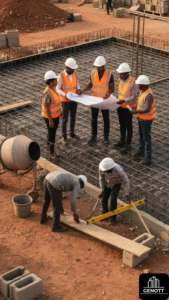
4. Foundation Stage
Foundation types depend on soil conditions:
-
Raft foundations for weak soils.
-
Strip foundations for stable terrain.
Soil testing ensures safety.
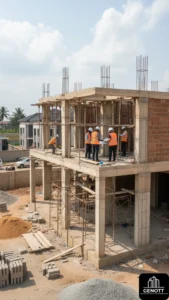
5. Structural Construction Phase
Includes:
-
Blockwork.
-
Columns and beams.
-
Roofing installation.
Quality materials and experienced supervision prevent structural failure.
6. Finishing Stage
Finishing includes:
-
Plumbing and electrical systems.
-
Tiling and painting.
-
Interior fittings.
Budget overruns often occur here; planning is essential.
Cost Analysis and Investment Insights
Estimated cost factors:
-
Location (urban vs suburban).
-
Design complexity.
-
Material quality.
Example cost range for a standard home:
| Construction Stage | Estimated Cost Range |
|---|---|
| Foundation | ₦3M – ₦8M |
| Structural Work | ₦8M – ₦20M |
| Roofing | ₦3M – ₦6M |
| Finishing | ₦7M – ₦15M |
Investment tip:
Plan contingency funds (10–20%).
Comparisons and Alternatives
| Approach | Advantages | Disadvantages |
|---|---|---|
| Contractor Model | Faster completion | Higher upfront cost |
| Direct Labour | Potential cost savings | Requires strong supervision |
Common Mistakes Nigerians Make
-
Buying land without verification.
-
Ignoring building approvals.
-
Underestimating finishing costs.
-
Poor contractor selection.
-
Lack of construction timeline planning.
Expert Recommendations
-
Hire certified architects and engineers early.
-
Conduct soil tests before foundation work.
-
Maintain a clear project budget.
-
Monitor building materials procurement.
-
Document agreements with contractors.
Future Trends and Strategic Insights
-
Smart home technology adoption.
-
Sustainable building materials.
-
Integrated estate developments.
-
Infrastructure expansion influencing property value.
FAQ
How much does building a house in Nigeria cost?
Costs vary widely depending on location and size, typically ₦25M–₦60M for mid-range projects.
How long does construction take?
Approximately 6–18 months depending on funding and project complexity.
Is building approval necessary?
Yes. Approval is required to avoid legal penalties or demolition.
Can I build without an architect?
Not advisable due to safety, design efficiency, and regulatory requirements.
What stage consumes the most budget?
Finishing stage often exceeds expectations due to fittings and aesthetics.
Which city is cheaper to build?
Costs are generally lower in secondary cities compared to Lagos or Abuja.
CONCLUSION
Building a house in Nigeria requires strategic planning, professional guidance, and careful financial management. From verifying land documents to navigating approvals and managing construction stages, each phase plays a critical role in achieving long-term success. Understanding the full process helps reduce risk, control costs, and ensure structural safety. With the right preparation and expert support, building a home can become a powerful investment that delivers lasting value.
For professional support in architecture, construction management, and real estate development, GENOTT LTD provides expert solutions tailored to Nigerian conditions.

 GENOTT LTD Editorial Team