 GENOTT LTD Editorial Team
Pig farming investment Nigeria offers one of the fastest ROI cycles in livestock agribusiness due to rapid reproduction rates and strong pork demand. Startup costs range from ₦3 million to ₦15 million depending on scale and housing system. Well-managed commercial pig farming in Nigeria operations can achieve 25–45% annual ROI.
Nigeria’s livestock industry is expanding rapidly as urban populations increase and protein consumption rises. Among small and medium-scale livestock ventures, pig farming investment Nigeria stands out due to its fast reproduction cycle, efficient feed conversion ratio, and growing pork demand Nigeria markets demonstrate — particularly in cities like Lagos, Abuja, Enugu, and Port Harcourt.
Despite its profitability potential, pig farming requires careful planning. Many new investors underestimate piggery startup cost Nigeria realities, urban zoning regulations, housing infrastructure needs, and feed cost volatility. Without structured management, these factors can reduce pig breeding profitability Nigeria farmers expect.
This comprehensive investment guide explores commercial pig farming Nigeria models, breeding cycles, housing system cost analysis, feed conversion efficiency, zoning considerations, and realistic ROI expectations — equipping investors with actionable insights to build a profitable and compliant piggery business in Nigeria.
SUMMARY TABLE
| Area | Key Insight | Notes |
|---|---|---|
| Startup Cost | ₦3M – ₦15M+ | Scale dependent |
| ROI | 25–45% annually | Fast turnover |
| Reproduction | High litter size | Key profit driver |
| Feed Efficiency | Strong conversion ratio | Impacts cost |
| Urban Demand | Growing in major cities | Zoning required |
Why Pig Farming is a Strategic Investment in Nigeria
Pig farming is increasingly recognized as a viable commercial livestock opportunity due to:
-
Fast reproduction cycle.
-
Efficient feed conversion.
-
Short production turnaround.
-
Growing pork demand Nigeria markets show.
Unlike cattle, pigs require less space and shorter growth periods, making them suitable for peri-urban commercial farming.
Step-by-Step Guide to Starting a Pig Farm
1. Understanding the Fast Reproduction Cycle
Pigs are highly prolific.
Key facts:
-
Gestation period: ~114 days.
-
Average litter size: 8–12 piglets.
-
2 litters per year possible.
This rapid reproduction increases pig breeding profitability Nigeria investors seek.
2. Housing System Cost
Proper housing improves productivity and disease control.
Options include:
-
Concrete floor housing.
-
Raised slatted floor systems.
-
Semi-intensive housing.
Estimated cost:
| Scale | Estimated Housing Cost |
|---|---|
| Small (20 pigs) | ₦1M – ₦3M |
| Medium (100 pigs) | ₦5M – ₦10M |
| Large commercial | ₦15M+ |
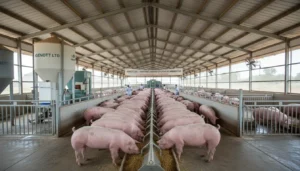
Proper drainage and ventilation are critical in Nigeria’s humid climate.
3. Feed Conversion Ratio (FCR)
Feed conversion ratio determines profitability.
Pigs have efficient FCR:
-
2.5–3.5 kg feed per kg weight gain.
Feed represents 60–70% of operating cost.
Strategies:
-
Use balanced feed.
-
Monitor feeding schedule.
-
Avoid wastage.
4. Urban Zoning Considerations
Pig farming must comply with:
-
Environmental sanitation laws.
-
Local government zoning regulations.
-
Waste disposal guidelines.
Urban areas like Lagos and Abuja require careful site selection to avoid compliance issues.
5. Market Demand & Distribution
Strong pork demand exists in:
-
Hotels and restaurants.
-
Supermarkets.
-
Local markets.
-
Processing companies.
Southern Nigeria shows particularly high consumption rates.
Cost Analysis & Investment Insights
Example medium-scale pig farm (100 pigs):
| Expense Category | Estimated Cost |
|---|---|
| Breeding stock | ₦4M |
| Housing | ₦6M |
| Feed (6 months) | ₦5M |
| Labour | ₦2M |
| Veterinary care | ₦800k |
| Miscellaneous | ₦1M |
| Total Startup | ~₦18M |
Projected revenue:
₦25M – ₦35M annually depending on scale and pricing.
Pig Farming vs Other Livestock
| Factor | Pig | Goat | Cattle |
|---|---|---|---|
| Reproduction Speed | High | Medium | Low |
| Startup Cost | Medium | Low | High |
| Space Requirement | Moderate | Low | High |
| ROI Speed | Fast | Moderate | Long-term |
Common Mistakes Nigerians Make
-
Ignoring zoning laws.
-
Overcrowding pens.
-
Using low-quality feed.
-
Poor record keeping.
-
No clear marketing strategy.
Expert Recommendations
-
Start with manageable herd size.
-
Maintain biosecurity standards.
-
Partner with feed suppliers.
-
Develop contracts with buyers.
-
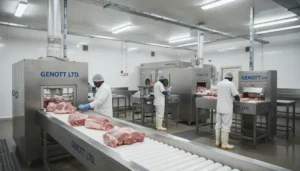
Explore value-added processing (sausages, smoked pork).
Pig Farming Investment Nigeria
Future Trends in Nigerian Piggery
-
Climate-controlled housing.
-
Integrated livestock waste recycling.
-
Contract farming with processors.
-
Automated feeding systems.
-
Regional export opportunities.
FAQs
1. Is pig farming profitable in Nigeria?
Yes, due to fast reproduction and strong pork demand.
2. How much capital is required?
Small-scale operations may begin from ₦3M.
3. What is the main expense?
Feed accounts for majority of operating cost.
4. Is pig farming allowed in urban areas?
Yes, but zoning and environmental regulations apply.
5. How long before profit?
Typically within 6–12 months depending on breeding cycle.
CONCLUSION
Pig farming investment Nigeria presents a fast-growing opportunity within the livestock sector. With strong reproductive efficiency, rapid turnover cycles, and increasing urban demand, commercial pig farming Nigeria can generate substantial returns when properly managed. Success depends on structured planning, housing quality, feed efficiency, and compliance with regulatory standards.
For professional agribusiness planning, livestock infrastructure development, and commercial farming investment support tailored to Nigerian conditions, GENOTT LTD provides expert guidance from concept to execution.


 GENOTT LTD Editorial Team