 GENOTT LTD Editorial Team
Agriculture investment opportunities in Nigeria include commercial crop farming, poultry production, fish farming, greenhouse farming, mechanized agriculture, agro-processing, export crops, and value chain investments. Returns vary by sector, but well-managed agribusiness projects can yield 20–40% annual ROI depending on scale and market access.
Nigeria’s agriculture sector remains one of the most powerful yet underutilized investment landscapes in Africa. With over 84 million hectares of arable land and a population exceeding 200 million people, the demand for food, agro-processing, and export crops continues to grow rapidly. Understanding agriculture investment opportunities in Nigeria is therefore critical for investors, entrepreneurs, and development-focused companies seeking long-term profitability.
Despite this potential, many Nigerians hesitate due to concerns about infrastructure, financing, climate risks, and market access. However, strategic agribusiness investment opportunities Nigeria offers today are more structured than ever — with government agricultural grants Nigeria programs, mechanized farming innovations, and expanding export markets creating new pathways for sustainable returns.
This comprehensive guide explores the best agricultural sectors to invest in Nigeria, outlines agriculture startup cost Nigeria realities, analyzes return on investment in agriculture Nigeria, and provides expert-level insights for building profitable farming businesses across Abuja, Kaduna, Enugu, Oyo, and beyond.
QUICK SUMMARY TABLE
| Investment Area | Capital Requirement | ROI Potential | Risk Level |
|---|---|---|---|
| Poultry Farming | ₦5M – ₦20M | 20–35% | Medium |
| Fish Farming | ₦3M – ₦15M | 25–40% | Medium |
| Crop Farming (Maize/Rice) | ₦2M – ₦10M | 15–30% | Medium |
| Greenhouse Farming | ₦8M – ₦25M | 30–50% | High |
| Agro-Processing | ₦10M – ₦50M+ | 25–45% | Medium |
Why Agriculture is a Strategic Investment in Nigeria
Agriculture contributes significantly to Nigeria’s GDP and employs millions of citizens. However, the real opportunity lies not just in farming, but in agriculture value chain investment Nigeria investors are increasingly exploring.
Key drivers:
-
Rising food demand in Lagos and Abuja.
-
Import substitution policies.
-
Export crop demand (cocoa, sesame, ginger).
-
Government agricultural incentives.
-
Technological adoption in mechanized farming.
Agricultural investment in Nigeria today is no longer subsistence-based — it is commercially driven and data-informed.
Detailed Breakdown of Agriculture Investment Opportunities (Expanded & Comprehensive)
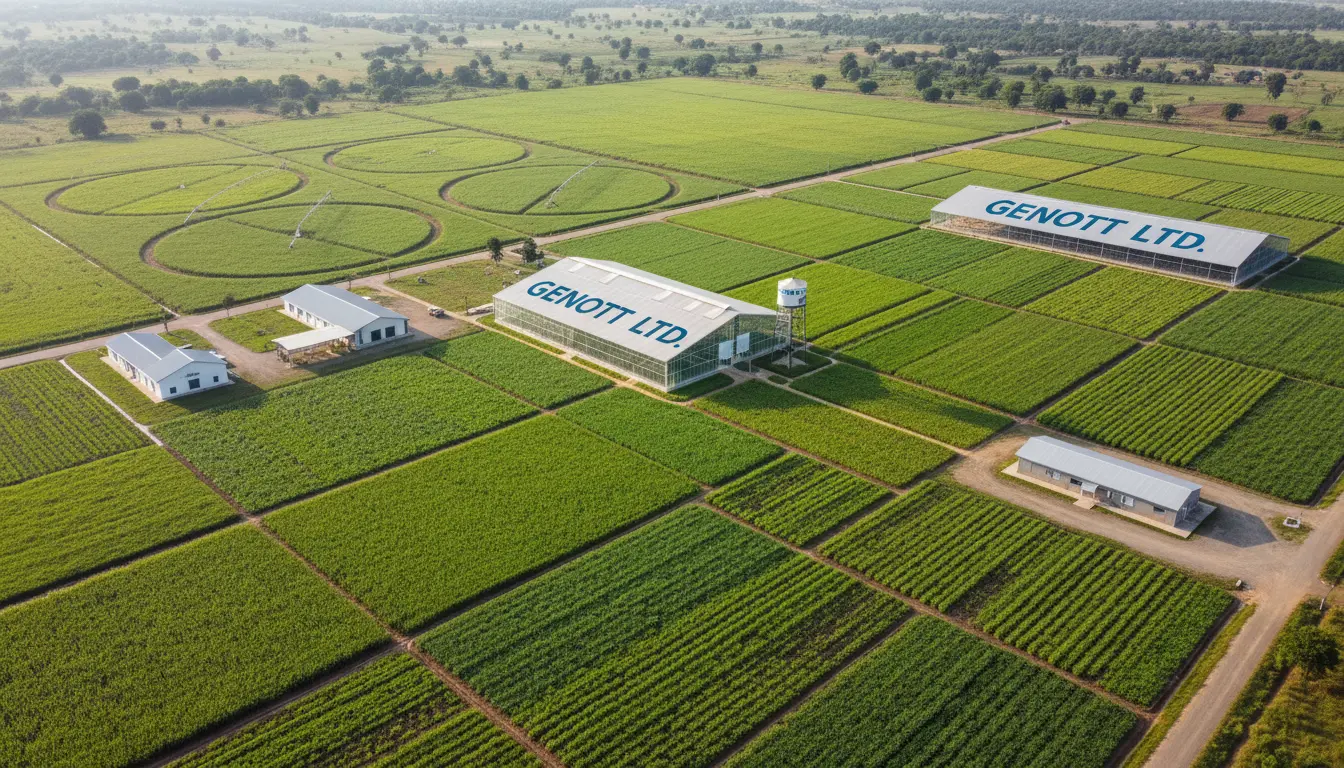
Nigeria’s agriculture sector offers far more than crop farming alone. A truly diversified agriculture investment portfolio includes animal husbandry, ruminant livestock production, and value-chain integration, all of which present strong revenue potential when properly managed. Successful investors often diversify across multiple segments to reduce risk and maximize revenue streams.
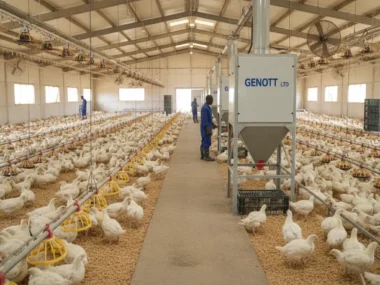
1. Poultry Farming (High Demand Sector)
Poultry remains one of the most accessible agribusiness investment opportunities Nigeria offers due to strong demand for eggs and broiler meat.
Investment considerations:
-
Starter scale: ₦5M+
-
Medium commercial: ₦15M–₦30M
-
Industrial-scale: ₦50M+
Investment scope:
-
Broiler production
-
Layer egg production
-
Hatchery operations
Startup cost:
₦5M – ₦20M (medium scale)
ROI potential:
20–35% annually
Key risks:
-
Feed price volatility
-
Disease outbreaks
-
Power and storage costs
Best locations:
Ogun, Oyo, Kaduna, Plateau, outskirts of Lagos and Abuja.
Revenue drivers:
-
Egg production (layer farms)
-
Broiler meat cycles
-
Feed supply integration
2. Fish Farming (Aquaculture)
Nigeria remains one of the largest importers of fish in Africa, making aquaculture a strong investment play.
Common systems:
-
Concrete ponds
-
Tarpaulin ponds
-
Earthen ponds
Startup cost:
₦3M – ₦15M depending on scale
ROI potential:
25–40%
Key risks:
-
Water quality management
-
Feed cost
-
Market access
Common species:
-
Catfish
-
Tilapia
Advantages:
-
Fast growth cycles.
-
High urban demand.
3. Crop Farming (Staple & Commercial Crops)
Core crops remain essential for food security and agro-processing.
Popular crops:
-
Rice
-
Maize
-
Cassava
-
Soybean
Commercial farming investment Nigeria advantage:
Stable demand + government support.
Export crop options:
-
Cocoa
-
Sesame
-
Ginger
-
Cashew
Export crops investment Nigeria can generate foreign exchange revenue but requires quality standards.
ROI range:
15–30%
4. Goat Farming (High-Profit Low-Capital Livestock Investment)
Goat farming is one of the most underestimated agriculture investment opportunities in Nigeria.
Why goats?
-
Strong cultural demand.
-
Low feed cost compared to cattle.
-
High reproduction rates.
-
Suitable for semi-arid regions.
Investment model:
-
Starter herd (20 goats): ₦2M – ₦5M
-
Commercial scale: ₦10M+
Advantages:
-
Low startup capital
-
High adaptability to climate
-
Strong demand (meat + cultural ceremonies)
Popular breeds:
-
Red Sokoto
-
West African Dwarf
-
Sahel goats
ROI potential: 25–40% annually with proper herd management.
5. Cattle Ranching & Beef Production
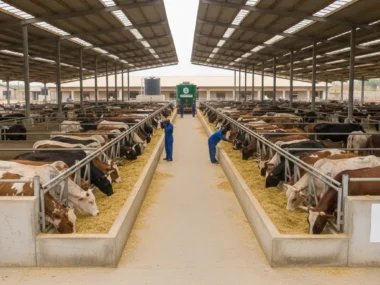
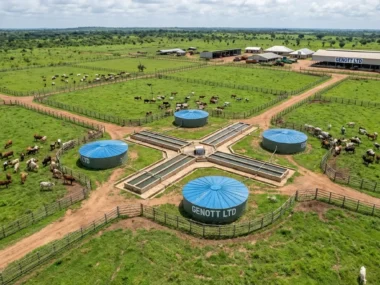
Cattle farming offers long-term investment opportunities due to increasing beef and dairy demand.
Investment models:
-
Grazing ranch systems.
-
Feedlot finishing operations.
-
Dairy production.
Advantages:
-
Large market size.
-
Value chain opportunities (milk processing).
Key challenges:
-
Land availability
-
Grazing management
-
Security concerns
Emerging trend:
Ranch-based and semi-intensive systems replacing open grazing.
Estimated startup:
₦20M – ₦100M+ depending on scale.
ROI potential:
20–35%
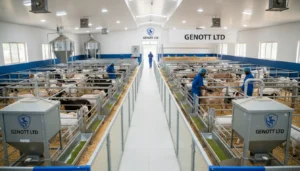
6. Pig Farming (Fast Growth, High Yield)
Pig farming is one of the most efficient livestock businesses in Nigeria, it offers strong returns due to:
-
Fast breeding cycles.
-
Efficient feed conversion.
-
Growing urban pork market.
Startup estimate:
₦3M – ₦12M.
Key risks:
-
Biosecurity
-
Waste management
-
Market access
ROI potential:
30–45% depending on feed efficiency and market access.
7. Sheep Farming (Ruminant Investment Opportunity)
Sheep farming is growing due to festive demand and meat consumption.
Sheep farming benefits from seasonal price spikes, especially during festive periods.
Advantages:
-
Lower maintenance than cattle.
-
High demand during religious festivals.
-
Adaptability to Nigerian climate.
Popular breeds:
-
Yankasa
-
Balami
ROI potential:
20–30%
Key markets:
Urban centers like Lagos, Abuja, Onitsha, Aba.
8. Other Ruminants & Mixed Livestock Systems
Advanced investors increasingly adopt integrated livestock systems, combining:
-
Goats + sheep
-
Cattle + feed production
-
Livestock + crop farming (manure recycling)
Benefits:
-
Risk diversification / Reduced risk exposure.
-
Improved land productivity (Better pasture utilization).
-
Lower feed cost through integration
-
Diversified income.
Why Animal Husbandry Is a Strategic Investment in Nigeria
-
Rising demand for animal protein
-
Expanding urban population
-
Import substitution opportunities
-
Government push for ranching and livestock development
-
Strong linkage to feed mills and agro-processing
Animal husbandry is now a core pillar of agriculture investment opportunities in Nigeria, not a side activity.
9. Greenhouse & Controlled-Environment Farming
A modern, mechanized farming opportunity suitable for high-value crops.
Ideal for:
-
Tomatoes
-
Bell peppers
-
Cucumbers
-
Lettuce
Modern greenhouse systems:
-
Reduce climate risk.
-
Increase yield.
-
Improve crop quality.
Startup cost:
₦8M – ₦25M+
ROI potential:
30–50%
Best suited for:
Urban and peri-urban markets (Abuja, Lagos, Port Harcourt etc.).
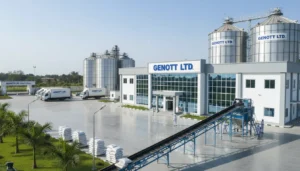
10. Agro-Processing & Value Chain Investment
Agriculture value chain investment Nigeria offers strong scalability.
This is where highest profit margins often exist.
Beyond farming, processing creates higher margins:
Examples:
-
Rice milling
-
Cassava flour processing
-
Palm oil extraction
-
Animal feed production
-
Dairy processing.
-
Meat packaging.
Why it matters:
Processing increases value by 2–4× compared to raw produce.
Comparative Livestock ROI Overview
| Livestock Type | Capital Requirement | ROI Range | Scalability |
|---|---|---|---|
| Poultry | Medium | 20–35% | High |
| Fish | Medium | 25–40% | High |
| Goat | Low–Medium | 20–35% | Medium |
| Cattle | High | 15–30% | High |
| Pig | Medium | 25–45% | High |
| Sheep | Low–Medium | 20–35% | Medium |
Comparison: Farming vs Agro-Processing
| Factor | Farming | Processing |
|---|---|---|
| Capital Requirement | Moderate | Higher |
| Risk | Weather dependent | Market dependent |
| Profit Margin | Moderate | Higher |
| Scalability | Medium | High |
Common Mistakes Nigerians Make in Agriculture Investment
-
Ignoring feasibility studies.
-
Underestimating operating costs.
-
Poor market research.
-
Lack of insurance coverage.
-
Not leveraging government agricultural grants Nigeria.
Expert Recommendations
-
Conduct market feasibility study before investing.
-
Consider agriculture value chain investment Nigeria options.
-
Diversify into processing.
-
Explore export markets.
-
Use mechanized systems for scalability.
-
Partner with experienced agribusiness consultants.
Future Trends in Nigerian Agriculture
-
Smart farming technology.
-
Solar-powered irrigation.
-
Climate-resilient crop varieties.
-
Digital agricultural marketplaces.
-
Increased foreign direct investment.
FAQs
1. What is the best agricultural sector to invest in Nigeria?
Depends on capital and risk appetite; poultry and fish farming are popular.
2. Can agriculture generate passive income?
Yes, through mechanized and well-managed operations.
3. What role does technology play?
Improves efficiency and reduces risk.
4. How do I secure land legally?
Follow proper land acquisition process and documentation.
5. Is export farming viable?
Yes, but requires compliance with international standards.
6. Is agriculture profitable in Nigeria?
Yes — when properly structured and scaled.
7. Which farming business is most profitable?
Poultry and fish farming currently show strong ROI.
8. How much capital do I need?
₦2M to ₦10M for small-scale operations.
9. Are there government grants?
Yes — various federal and state-level programs exist.
10. What are biggest risks?
Climate variability, feed costs, and market volatility.
CONCLUSION
Agriculture investment opportunities in Nigeria present significant long-term potential for investors willing to apply strategic planning and professional management. From commercial farming investment Nigeria models to value chain processing and export-oriented production, the sector offers diversified profit channels. With proper feasibility studies, financial planning, and expert guidance, agriculture remains one of Nigeria’s strongest wealth-building industries.
For professional agribusiness planning, land development, commercial farming strategy, and integrated project support, GENOTT LTD provides expert guidance across Nigeria’s agriculture value chain.

 GENOTT LTD Editorial Team